
Sprinkler and Irrigation Winterization Guide for Massachusetts
A plain-English guide from Pineau Landscape Construction in Billerica, MA.
30+ years in the tradeLicensed & insuredOur own crew
Get a Snow Contract Quote
We follow up directly.
- Family-Runsecond generation
- Our Own Crewno subcontractors
- 30+ Yearsin the trade
- Licensed & Insuredcertificate on request
- Local to BillericaMerrimack Valley
When and how to winterize your irrigation system in Massachusetts to prevent freeze damage.
A sprinkler system left full of water through a Massachusetts winter can crack pipes, split valves and ruin a backflow device. Winterizing removes the risk for a small cost compared to the repair. Here's what the job involves, and when to do it.
Why it matters
Water expands as it freezes. Irrigation lines are often only buried a short way down, well above the 48-inch frost depth listed in the state code. So any water left in the pipes, valves, heads or backflow device can freeze and crack them. The damage usually shows up in the spring, when the system starts up and you find a leak or a soggy spot.
When to do it
Do it before the first hard freeze. In the area around Billerica, many people book it for October or early November. A light frost isn't the issue, but a long cold snap is. Don't wait until you see the forecast. Booking early helps, and you can water new seed or plantings until close to the time you shut down.
What winterizing involves
- Shut off the water at the system's main valve.
- Turn off the controller, or set it to its rain or off mode.
- Relieve pressure, and drain the backflow device and exposed pipes.
- Blow out each zone with compressed air until only mist comes from the heads.
- Open test cocks on the backflow device as appropriate, and protect anything exposed.
Why blowouts are best left to a pro
Air compressors can do damage. Too much pressure, or running air through a dry zone for too long, can overheat pipes and damage heads and valves. The pressure and air volume have to suit the pipes. The compressor also has to be the right size for the system. Never put air through a backflow preventer: connect downstream of it. Wear eye protection, because pressurized air can launch caps and fittings.
Automatic drains vs blowouts
Some systems have manual or automatic drain valves. Those may help but they don't always get every low spot. Check how your system was designed. If you bought a home with an existing system and you don't know how it's set up, have it checked.
Backflow devices
A backflow preventer keeps irrigation water out of your drinking water. Drain and protect it each winter, because frost damage to one is a common and costly repair. Ask your water department if yours needs testing or registration. Requirements depend on the type of device and on the water supplier.
If your system is on a well
Well systems need the same blowout, plus care around the pump and pressure tank. Shut off and drain the pump according to the maker's directions. In many towns, private wells are outside state water restrictions, but local rules may apply.
Spring startup
- Wait until the risk of a hard freeze is past.
- Close drains and test cocks.
- Open the main valve slowly, so pipes aren't hit with a surge.
- Run each zone. Look for leaks, broken heads and bad coverage.
- Reset the controller, and check any rain sensor.
- Match the schedule to your town's outdoor water rules.
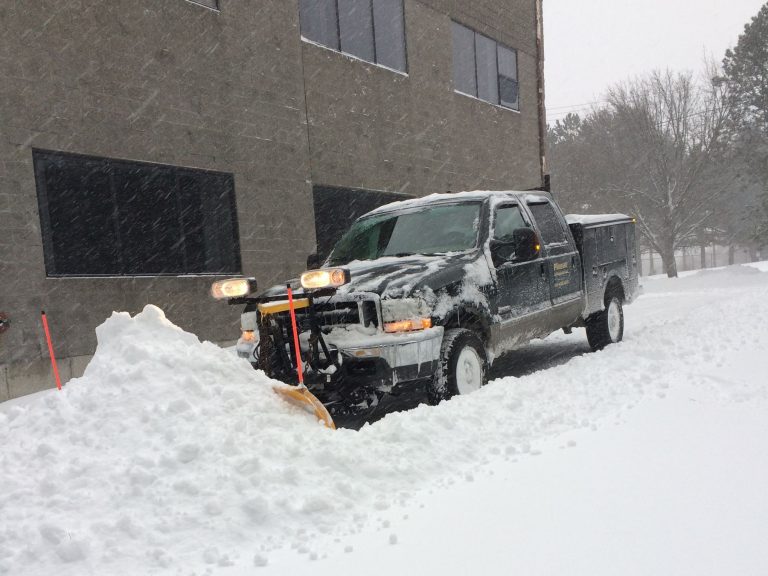
Protect heads from plows
Heads along drives and walks are easily hit. Stake them before the snow, and look at moving any that keep getting damaged.
What affects the cost
The number of zones, the size of the system, access to the shutoff and the type of backflow all play a part. Repairs are extra, and they're easier to plan in fall than to find in spring.
Book your service
See irrigation and sprinkler repair. If you're thinking about a new system, it's best installed before a new lawn. Our Reading project included one.
Sources: Massachusetts Residential Code, Chapter 3 (frost depth table); MassDEP outdoor water use restrictions. Rules change and towns differ, so confirm with your local office. This is general information, not legal advice.
Questions
When should I winterize my sprinklers?
Before the first hard freeze. Around Billerica, many people book it for October or early November.
Can I just turn off the water?
No. Water stays in pipes, heads and valves and can freeze. The system has to be drained or blown out.
Can I blow out the system myself?
It is risky. Too much pressure or heat can damage parts, and small compressors often cannot do the job well.
What happens if I skip it?
You may have cracked pipes, valves or a split backflow device, usually found at spring startup.
When should the system go back on?
After the risk of a hard freeze has passed, usually in spring. Turn the water on slowly.
Related Pages
Need a Quote?
Pineau Landscape Construction serves Billerica and the surrounding towns. We follow up directly.